In a church’s Honour Roll from a church that no long exists in Sarnia, Ontario, 16 names are listed of the dead. This church of community and love honoured the fallen. But now the church is gone and it is up to use, as a legacy to those that have passed to continue to honour them.
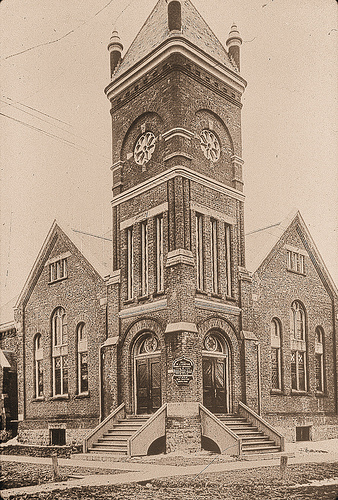
Private Leonard Calvin McMullin is one of the 16 names. He died May 25, 1918 after serving 2 years, 3months, and 22 days of his short life of 19 years. We cannot know him and perhaps the only words about him, other than his service record, are those of the Circumstances of Casualty card that exists in the LAC archives.
“While sleeping in his funk hole in a front line trench, near Neuville Vitasse in the early morning of May 25th, 1918, he was killed by an enemy “fish tail” bomb that dropped near him.”
The Battalion was based to the North-west of Neuville Vitasse, which is South-east of Arras, France for several months but it would not be until the 2nd Battle of Arras on the 26th of August that the Battalion and the Canadian Corps would attack in force with the Canadian Corps.
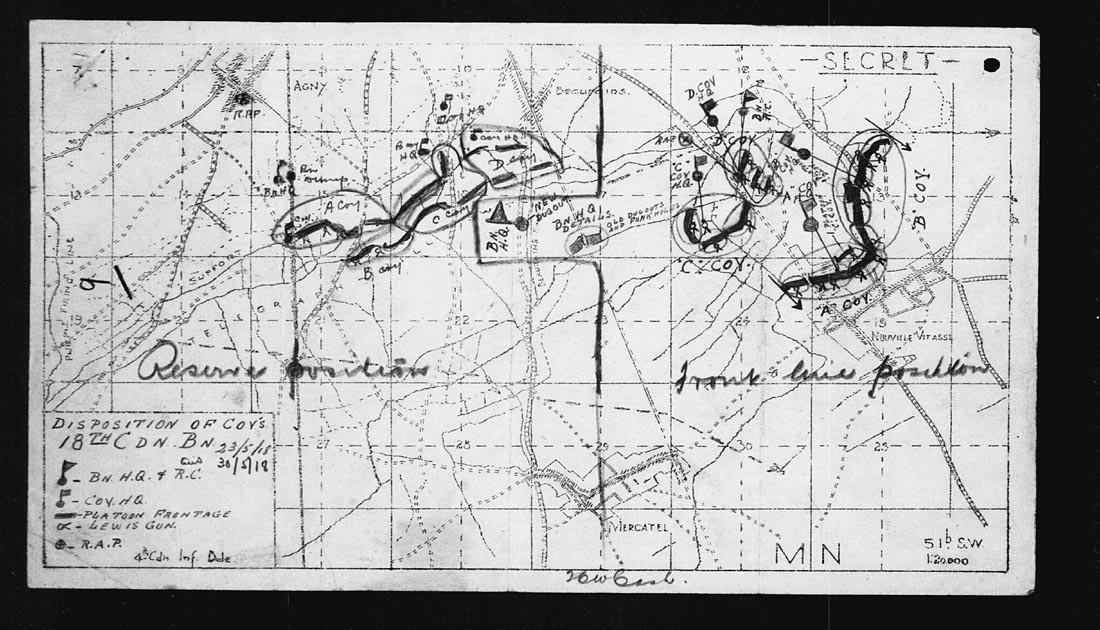
Until that time the “normal” routine of trench warfare comprised the lives and energy of the men of the 18th Battalion.
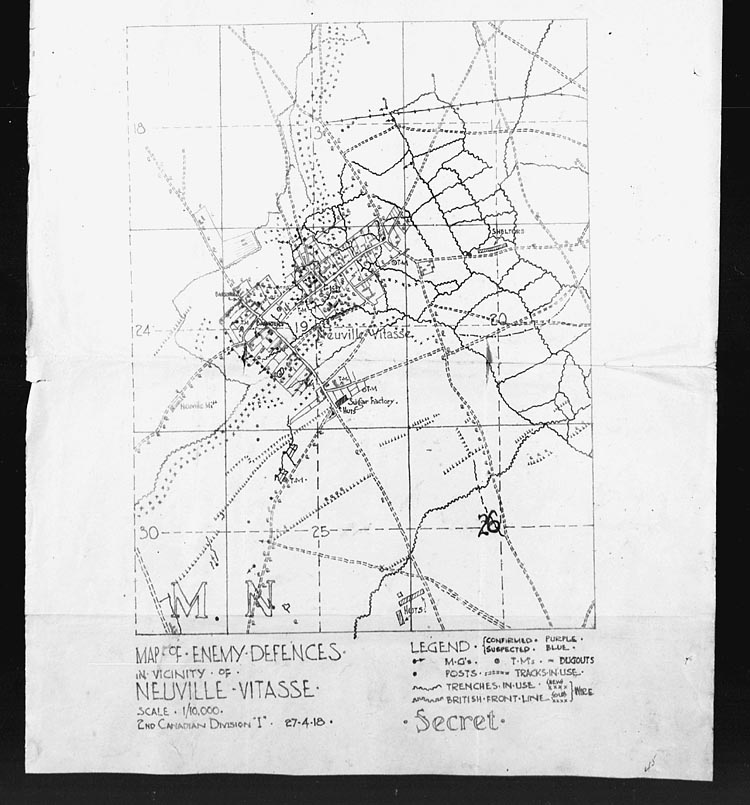
So, in the early morning of the 25th of May, Private McMullin slept or waited his funk hone. Most likely he was “standing to” in the trenches as it was procedure to do so as dawn was seen as the most likely time of day of an attack. Or he was sitting in his funk hole taking respite with a cigarette and a ration of rum.
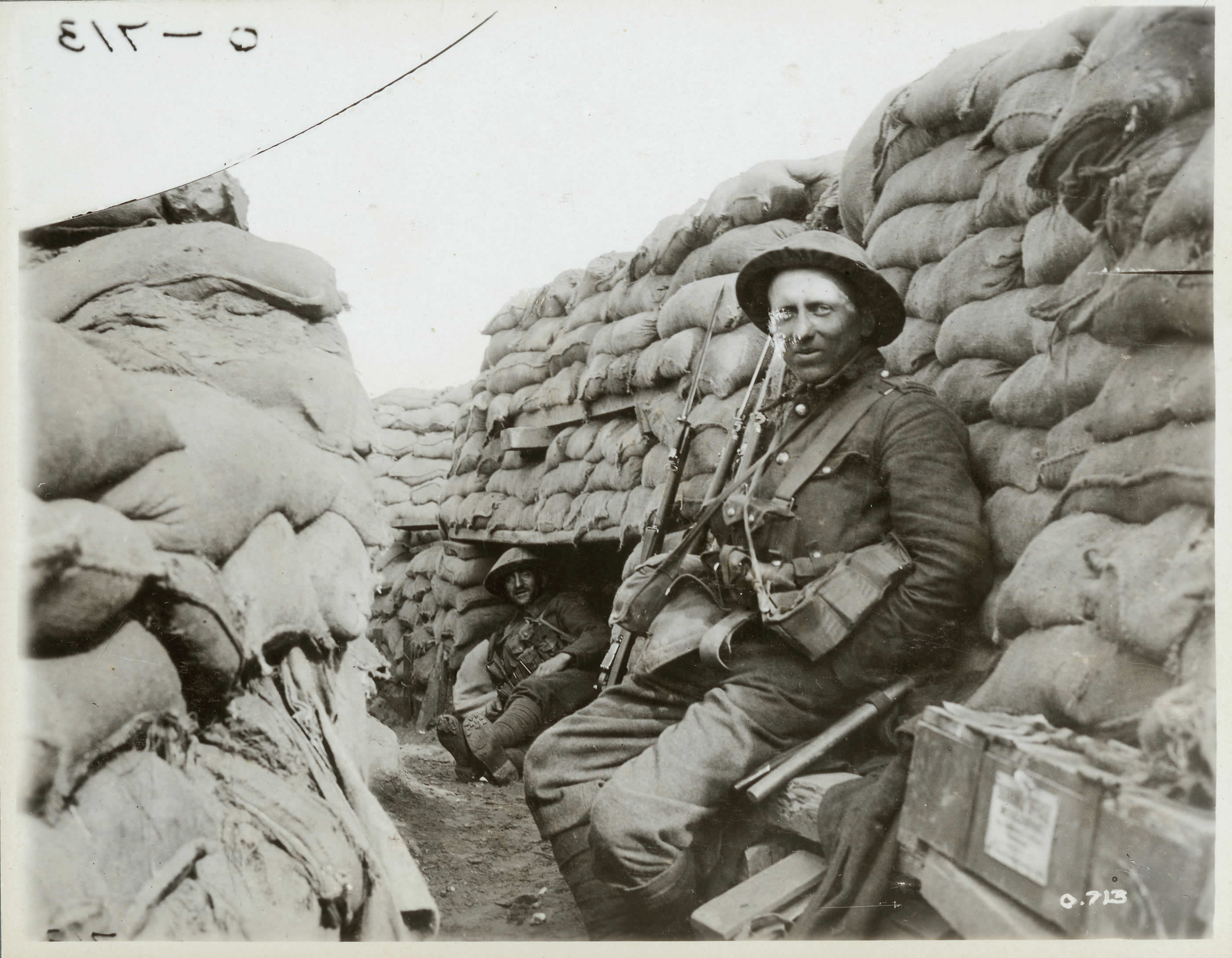

A funk hole was a crudely scraped out hole on the interior walls of a trench for temporary or semi-permanent shelter from the elements and enemy fire. Some were crudely scraped out of the earth walls with no supporting structure while others might be constructed with wood and sandbags or any other locally sourced material.
At some point a shell, most probably from a “Granatenwerfer 16”, exploded killing Private McMullin.

The war diary for that day does not even reflect the loss of Private McMullin stating:
May 25th, 1918 War Diary Entry
Bombing parties again furnished by Bn for work during the night on trenches. Our party of 1 officer and 12 other ranks constructed trip wires from N.19.2.57 to N 19.05.50. 2 patrols covered Bn. frontage during the night, nothing unusual to report,
Most likely the “nothing unusual to report” refers to the two patrols out for the night.
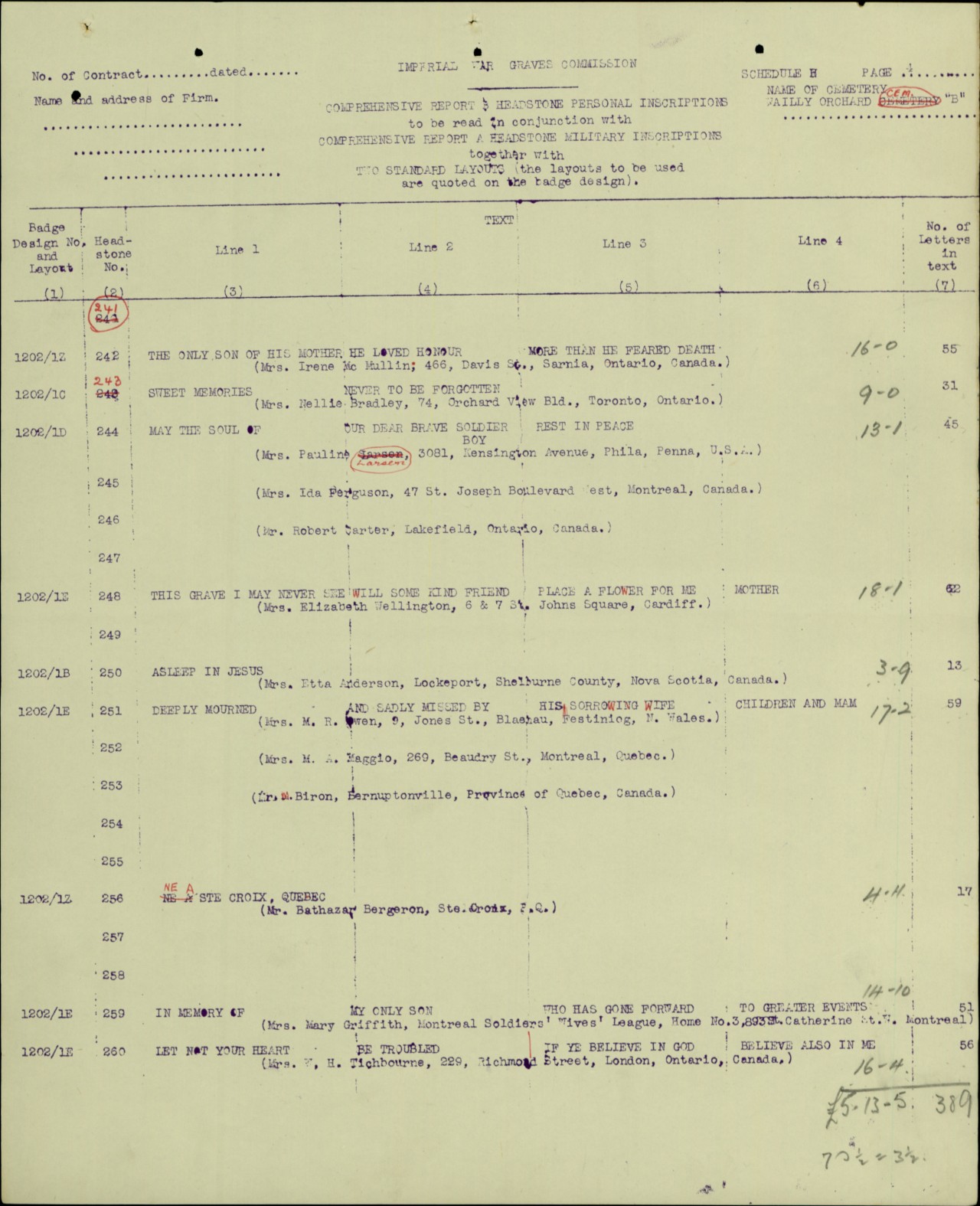
Sadly, there are more words for Private McMullin. He is buried at Wailly Orchard Cemetery and the inscription to his headstone at Grave Reference II.F.15 summarizes his family’s anguish:
The Only Son of His Mother
He Loved Honour
More Than He Feared Death
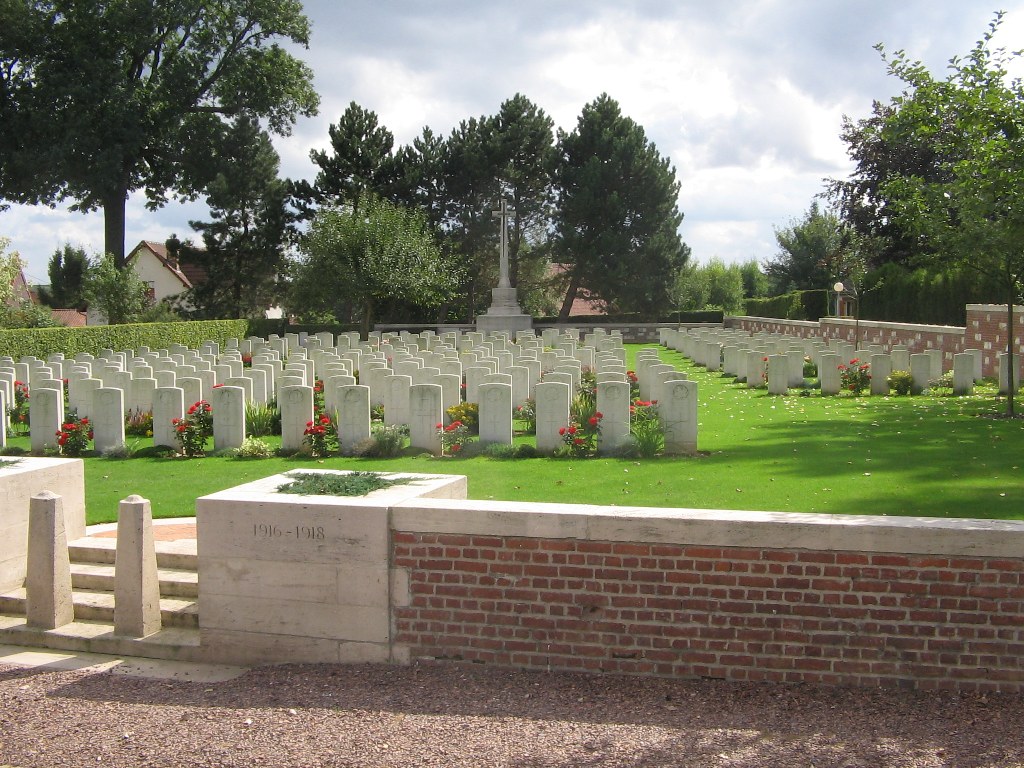
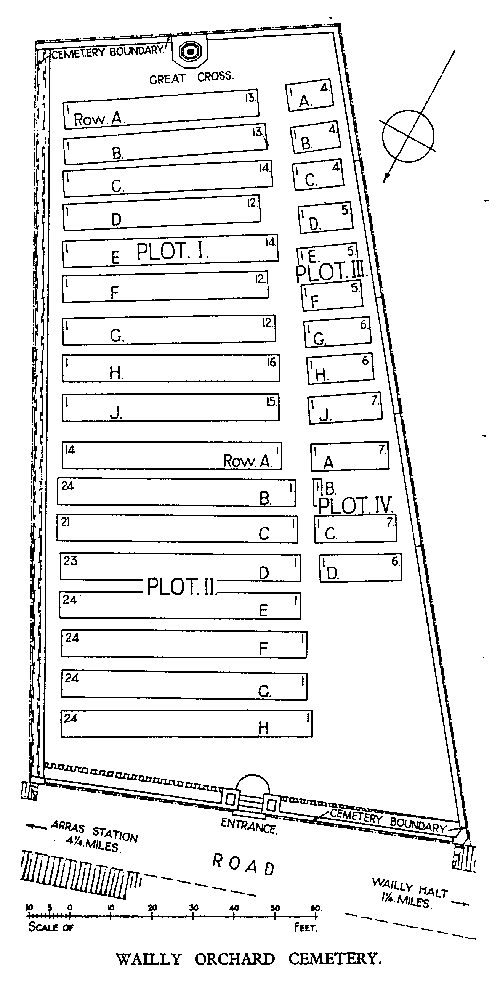
Location Information
Wailly is a village in the Department of the Pas-de-Calais about 6 kilometres south-west from Arras. Wailly Orchard Cemetery stands above the village.
Historical Information
The cemetery was begun in May 1916 by the Liverpool battalions of the 55th (West Lancashire) Division, as a front line cemetery, screened from German observation by a high wall. It was little used in 1917, but in March-August 1918, it was considerably enlarged by the Canadian and other units defending the Third Army front.
Wailly Orchard Cemetery contains 366 First World War burials, 15 of them unidentified.
Discover more from History of the 18th Battalion CEF, "The Fighting Eighteenth"
Subscribe to get the latest posts sent to your email.
 History of the 18th Battalion CEF, "The Fighting Eighteenth"
Leave a comment