Coming from Waterloo Region I would hazard that there is hardly anyone that has lived here that is not aware of the fact that Kitchener, Ontario was once named Berlin. With its large German population at the turn of the last century and this group’s influence still significant culturally with such events as the 2nd largest Oktoberfest in the world. At one point Victoria Park in Kitchener sported a bust of Kaiser Wilhelm but it was stolen during the war and has, as yet, never been found.
“At the beginning of the war, Kitchener’s Victoria Park featured a large statue of Queen Victoria. It also was home to a prominent monument topped by a bronze bust of the German Kaiser. The bust disappeared and was later recovered from the bottom of Victoria Lake. The bust disappeared again and it has become the stuff of urban legend as the search continues.”
This issue was brought in sharp relief on a recent research post for a soldier, Private Harry William Pollard, service no. 53881 and his father, Private Alfred Pollard, service no. 42384.
Some dates: Private H.W. Pollard was attested October 24, 1914. His father Alfred was attested January 13, 1915. Berlin’s name was not changed until September 1, 1916.
Examine the attestation papers below and note the following (and take note on some of the discrepancies not related to the name of Berlin/Kitchener). Private H.W. Pollard’s first page shows that he has listed his father as his as his next of kin and the address as 100 Filbert Street, Berlin, Ontario. Immediately below this notation is the word “Kitchener”. Yet Private Alfred Pollard’s attestation papers, signed almost 3 months after his son’s papers and a full 19 months BEFORE the city name change.
Somehow the notation in field number 4 was amended after the date of attestation. What type of expression was this? The father’s attestation papers show no signs of alteration. At sometime after the official naming of the city of Berlin to Kitchener someone amended the attestations papers of Private H.W. Pollard to reflect a sentiment of patriotism.
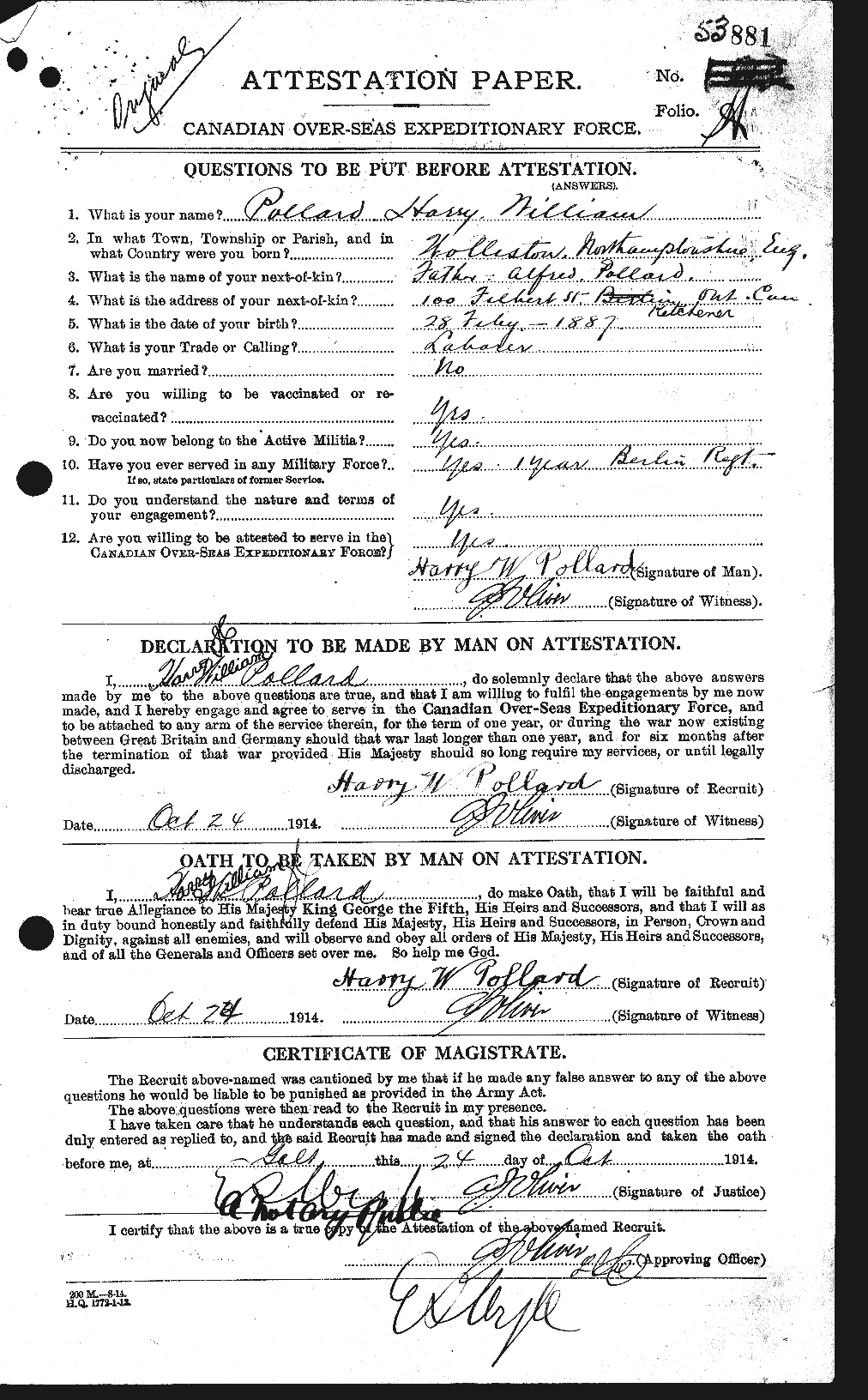
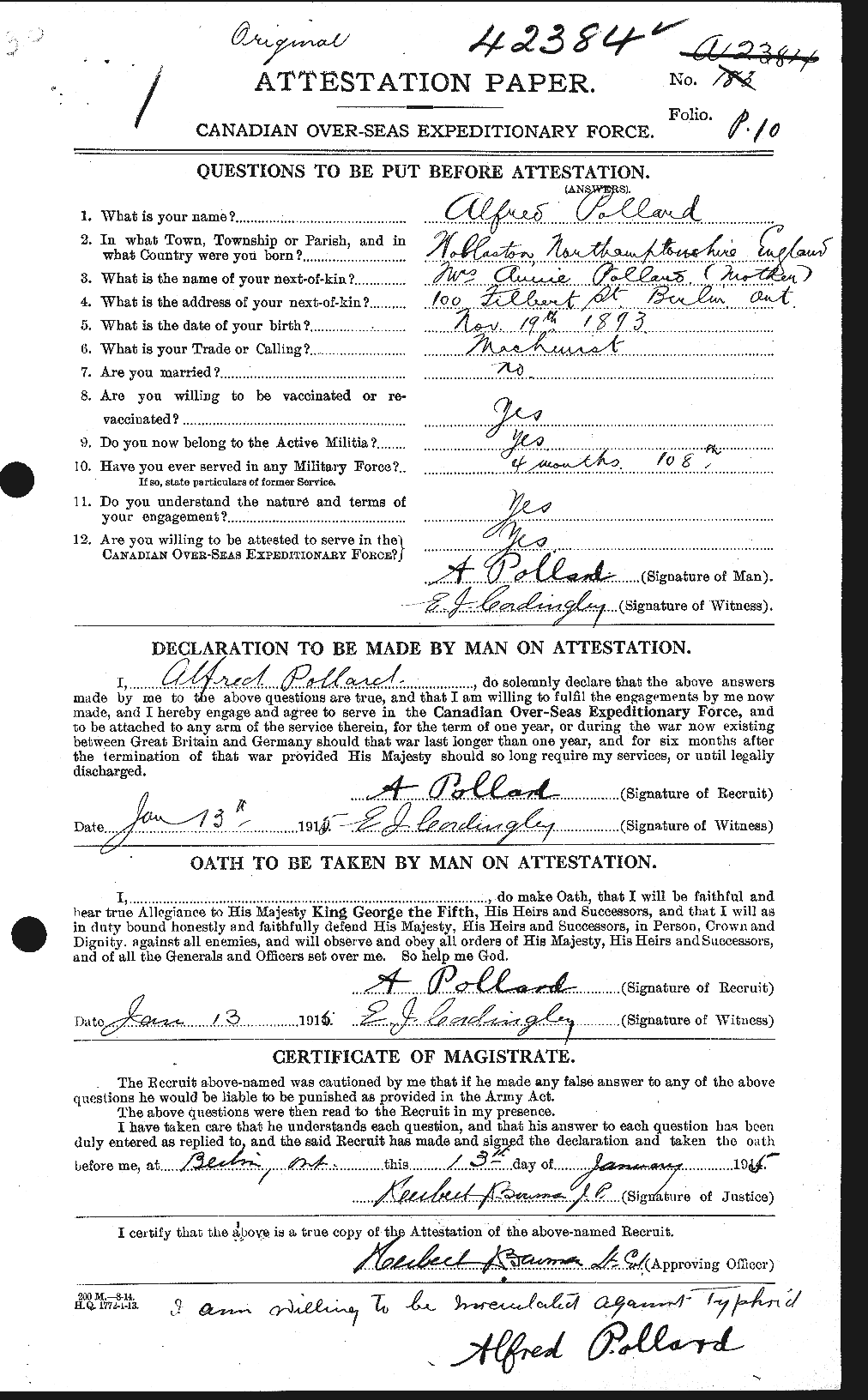
If Private H.W. Pollard was attested in 1914, almost 2 years before the official name change, then when was this attestation paper altered? The formal process to change the name was later and there were 2 votes. The first to determine if there was going to be a name change and the second to determine the name. Berlin had a population of approximately 15,000 and out of that only 892 voted on this issue.
Patriotism and feelings towards the name Berlin extended well past the name change. Feeling about Berlin ran so high that the city of Kingston, Ontario passed a petition from its city council. In part it read:
“THAT WHEREAS the Empire is engaged in a vital struggle with Germany and it is expedient that the Dominion of Canada shall in every way, stand firm in its loyalty to the Empire;
AND WHEREAS a number of persons residing in Canada have not proven their loyalty to Canada by joining His Majesty’s forces in defence of the realm, and take opportunities of expressing their disloyalty in ever way possible, without coming under the penalties of the laws of the realm;
AND WHEREAS some disloyal persons have made an endeavor to express their disloyalty by refusing to recognize the laws of the Province of Ontario which have changed the name of the city of Berlin to Kitchener:
THEREFORE the Council of the Corporation of the City of Kingston humbly petition the Dominion Government to cancel the proclamation of the Postmaster-General wherein he allows letters to be transmitted through the mails with the name of Berlin thereon in the interest of the Dominion and Empire.
And as in duty bound your petitioners will ever pray.
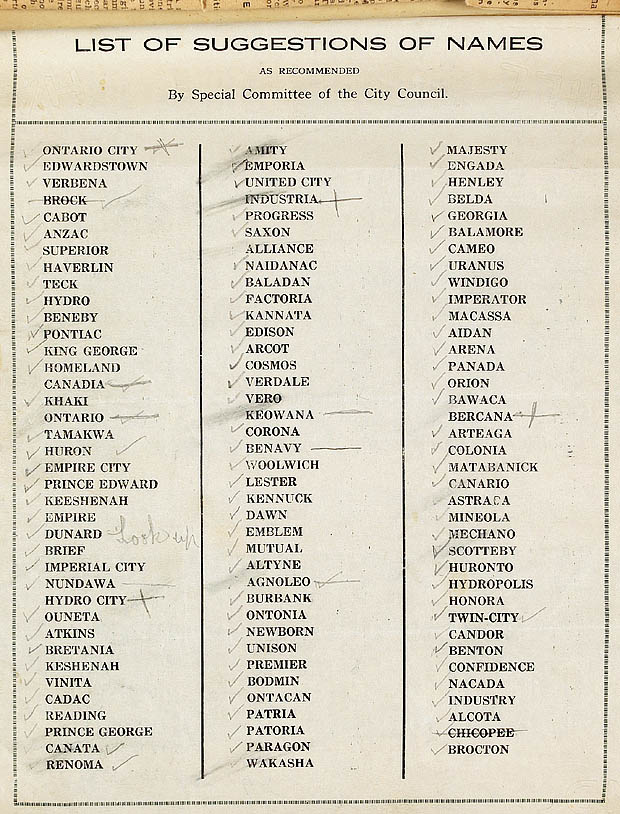
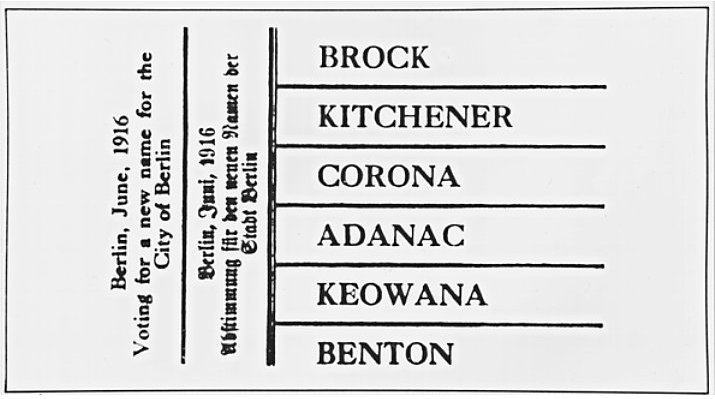
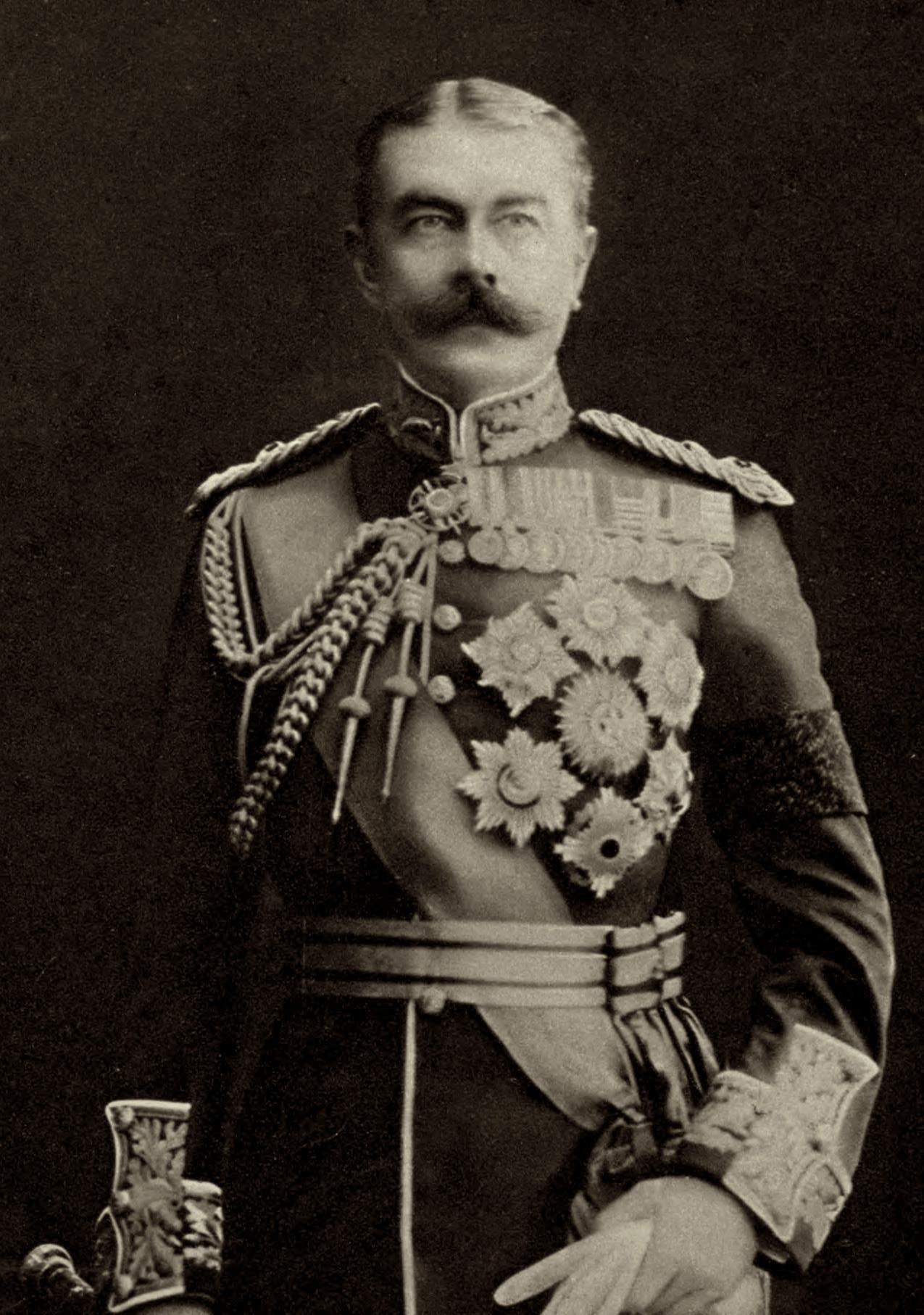
Eventually a committee would whittle down 114 names down to a final 6 which such dandies as Adanac (Canada spelt backwards) and Keowana and the vote settled in what was a “first passed the post” vote onto Kitchener. The choice of Kitchener being the most patriotic choice as it was chosen to honour Lord Kitchener, who drowned June 5, 1916 while traveling on the HMS Hampshire.



Discover more from History of the 18th Battalion CEF, "The Fighting Eighteenth"
Subscribe to get the latest posts sent to your email.
 History of the 18th Battalion CEF, "The Fighting Eighteenth"
Perhaps there was ongoing correspondence with his next of kin following his death?